
The Takygraf - the extreme fastspeed writing machine
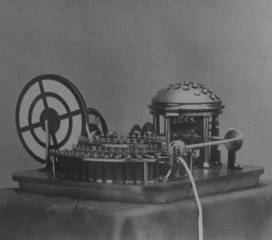
- Malling-Hansen's brilliant invention from 1872 - the Takygraf - the fastest typewriter ever made. At least one specimen of the Takygraf was made. Where it is today, nobody knows. Photocopy: Carsten Erik Noe
%EF%B9%94%22%3E%20%EF%BD%9C%20%3C%EA%A4%B7a%3E&md5=563ee2910edb15c93f511ff59c07eea5.html)
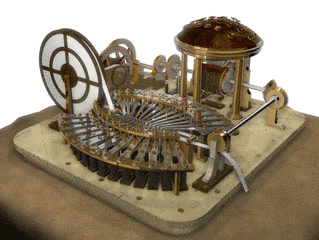
- Felix Herbst has made a brilliant interactive vizualisation of the takygraf. This is a still picture from his work. It's fantastic to see a specimen of the takygraf as "real" as this. Photo: Felix Herbst www.felixherbst.de
%EF%B9%94%22%3E%20%EF%BD%9C%20%3C%EA%A4%B7a%3E&md5=16d42ed4ee368ae4aa15278530a7f65e.html)
In 1872 Rasmus Malling-Hansen invented a truly extraordinary new writing machine - the Takygraf. His intention with this machine was to make a typewriter that could write with the same speed as one can talk and Malling-Hansen hoped that the Takygraf would be used for stenography in the National Assembly and other places where they were in need of short hand writing. The writing speed of the Takygraf could reach as much as 1200 characters pr minute.
But as with many of Malling-Hansen's inventions, the Takygraf never became the success he had hoped for, and even though we know that there was made at least one Takygraf - we now nothing about the destiny of this machine. Was it ever in use? Where is it today? These are questions we hope to find the answers to in the future.
Vicepresident in the Malling-Hansen Society, Dieter Eberwein, who has studied the Takygraf-patent very thoroughly, writes this about the function of the Takygraf:
The first Takygraf from 1872 was combined with a writing ball but the bottom of each piston forms a blunt point and so it forms only impressions in the paper. The paper band was prepared to conduct electricity. Under the paper band there were metal points which were connected to electromagnets. The form impressions in the paper band are brought in contact with the fixed metal points under the paper as the paper moves along and so the corresponding electromagnets are brought into action. When the electromagnets attracted the keepers, then the types made their impressions on the paper band (through the invention of a colored or carbonized strip of paper).
In the year 1874 follows a modified Takygraf combined with a writing ball but instead of the prepared paper (to conduct electricity) and the form impressions in the paper Rasmus Malling-Hansen developed a mechanical memory-unit, which contacts the electromagnets in the right time to make the needed type impressions on the paper band. It was possible to write with this brilliant invention as fast as we talk.
30.11.06
Dieter Eberwein and Sverre Avnskog
C. P. Jürgensens og R. Malling-Hansens ansøgning om patent på talygrafen
Dette er en renskrift af R Malling Hansens ansøgning om patent på skrivekuglens 'efterfølger': Takygrafen. Indskrivet af Christian Barnholdt i januar 2006. Til ansøgningen hører en eller flere tegninger med mange tekniske detaljer. Disse tegninger er ikke fundet. Derfor er det meget svært at forstå forklaringerne.
Denne ansøgning blev fulgt op af et yderligere dokument den 25 marts 1872.
Takygrafen
25/1 1872
Takygrafen har en samling af stempler, der på lignende måde som skrivekuglens stempler er indsatte i udboringer i et kuglestykke. Disse stempler, der ligesom kuglestykket ikke er vist på tegningen, have foroven en knap til at trykke på, der er mærket med ét af alfabetets bogstaver, med et tal eller et tegn. Forneden ender alle stemplerne i en afrundet spids. Trykkes disse stempler ned mod et stykke papir, afsætter de hver sit fordybede lille mærke i papiret. Stempelspidserne er ordnede således, at samtlige disse mærker eller fordybninger, der alle er ens, ligger i en lige linie, dersom papiret under afskrivningen ikke har flyttet sig.
Papirbåndet - A på tegningen - der er gjort ledende for electriciteten - og er viklet om rullen B., bevæges under skrivningen fremad under kuglestykkets stempler. Papirets bevægelsesretning er lodret på den punkterede linie C. som de forannævnte tilspidsede stempler kan afsætte på papiret, når det ligger stille.
Kuglestykket må altså tænkes anbragt oven over linien C. D.D.D..... er en række metalspidser - ligeså mange som kuglestykket har stempler -, der er anbragt under papirbåndet i den antydede skrå retning på dette, således at de kunne berøres af de fordybninger, som kuglestykkets tilspidsede stempler frembringer i papirbåndet. De fordybninger som et enkelt af stemplerne afsætter, træffer alle en og samme metalspids, der altså ligger i disse fordybningers bevægelsesretning.
Hver af metalspidserne D. står i ledende forbindelse med en elektromagnet E. der har et anker F. på hvis forlængelse - G - er udgraveret et bogstav, tal eller tegn, der - når elektromagneten trækker ankeret til sig - aftrykkes på den ene kant H.H.H.... af papirbåndet. Til at sværte de sidstnævnte stempler benyttes et sværtebånd eller sværtepapir, der ved de to valser I.I. føres gennem stemplerne G. og papirbåndet A. Papirbåndet står i ledende forbindelse med den ene pol af et elektrisk batteri, metalspidserne - og dermed jo electromagneterne - i ledende forbindelse med den anden pol. J. er en valse, der trækker papirbåndet frem under stemplerne. L. indeholder et lille urværk, der sætter valserne J. og I. , samt de to valser K, der strammer papirbåndet, i bevægelse. Stemplerne i takygrafens kuglestykke er foroven ordnet som på skrivekuglen, og anslås på samme måde som skrivekuglens stempler.
Om brugen af takygrafen. Skal man til exempel skrive ordet takygraf med apparatet, da nedtrykker man de af kuglestykkets stempler, der er mærkede med disse otte bogstaver, først trykkes T stemplet ned, så A stemplet, så K stemplet o.s.v. Hvert af de anslåede stempler frembringer en lille fordybning i det fremadskridende bånd. På vedlagte tegning tjener de blå linier til at angive fordybningernes plads og bevægelsesretning. Er stemplerne ordnede som på tegningen, så vil den fordybning som kuglestykkets T stempel har frembragt, føres frem mellem den sjette og syvende blå linie fraoven og være foran de andre fordybninger. Efter T fordybningen kommer den fordybning, som A stemplet har frembragt, denne fordybning skrider frem mellem de to nederste blå linier, så kommer K stemplets fordybning - mellem ottende og niende linie fraoven o.s.v. Af alle de otte fordybninger, der skulle danne ordet takygraf, vil den fordybning som kuglestemplet Y stempel har frembragt, være den første, der under bevægelsen fremad - til højre på tegningen - rører ved sin metalspids. I det øjeblik da denne berøring finder sted sluttes ved berøringen - se den foranstående beskrivelse - den elektriske strøm; elektromagneten E Y trækker ankeret til sig og ankerets stempel aftrykker sit bogstav - Y - på papiret. Fordybningen skrider dernæst forbi metalspidsen, hvorved strømmen brydes og electromagneten slipper ankeret, der så ved en fjeder føres tilbage i sin hvilestilling. Den næste fordybning, der træffer på sin metalspids, er den fordybning som kuglestykkets T stempel har frembragt i båndet; bogstavet T aftrykkes nu på båndkanten - i det øjeblik berøringen finder sted - i tre bogstavafstande foran det først aftrykte bogstav Y. Under fordybningernes gang fremad aftrykker maskinen dernæst bostavet R i to bogstavafstande nedenfor Y, så bogstavet K foran Y, dernæst G mellem Y og R, så et A mellem T og K , dernæst et F i to bogstavsafstande nedenfor R, og endelig et A mellem R og F - og nu står der da på papiret i den rette orden ordet TAKYGRAF. Det ses let, at det tilfælde ofte vil indtræffe, at flere af ankerarmenes stempler på én gang afsætte deres bogstaver. Anslås kuglestykkets stempler i lige taktafstande, ville bogstaverne på papiret komme til at stå i lige store afstande fra hverandre. Bevæges kuglestykkets stempler noget uregelmæssigt, ville bogstaverne på papiret få forskellige afstande fra hverandre, medens bogstaverne jo ville stå i den rette følgeorden.
Takygrafen egner sig ganske specielt til nedskrivning af offentlige foredrag, taler, forhandlinger i rigsdagen, overhovedet overalt hvor nu stenografien benyttes. Apparatet vil noget nær kunne arbejde lydløst, og da længden af kuglestykkets stempelbevægelser kun behøver at være en tolvtedel af en tomme, ja mindre endnu, vil der kunne arbejdes umådeligt hurtigt med apparatet. Med skrivekuglen opnås let en hurtighed på ti bogstaver i sekundet, takygrafen når mindst det dobbelt antal.
Også med udeladelse af metalspidserne D, og uden elektromagneterne, ankerne og ankernes stempler, vil man kunne have et brugeligt stenografisk apparat. Papirbåndet måtte da helst forsynes med striber på langs, ligesåmange som kuglestykket har stempler. Hvert stempel afsætter da sin fordybning på sin stribe og ikke på nogen anden. Med lidt øvelse vil man kunne aflæse disse punkter. Dette sidstomtalte apparat bliver mere anvendeligt, når man på den nederste ende af kuglestykkets stempler anbringer typer i stedet for spidserne. Det på båndet nedskrevne vil da blive lettere at læse.
Det er altså på den foran beskrevne takygraf og dens anførte modificationer, at vi allerunderdanigst ansøger om patent.
Håndskrift:
Kjøbenhavn den 25 januar 1872
R. Malling Hansen C P Jürgensen
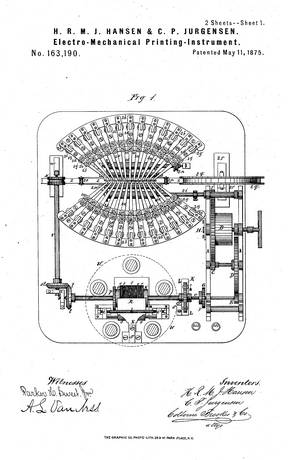
- Disse tegningene er fra det amerikanske patentet
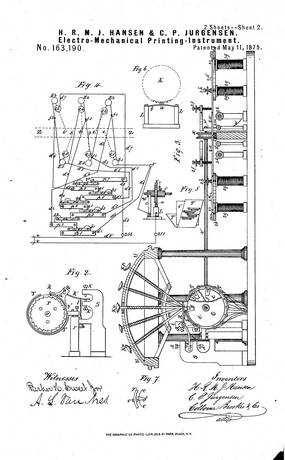
- Takygrafen ble patentert i USA i 1875
%EF%B9%94%22%3E%20%EF%BD%9C%20%3C%EA%A4%B7a%3E&md5=3a052d5ab010600a18057855ca9c80a5.html)
%EF%B9%94%22%3E%20%EF%BD%9C%20%3C%EA%A4%B7a%3E&md5=37934a5073d013b8e91c3fecaf6e85e7.html)
Opfølgende beskrivelse af takygrafen.
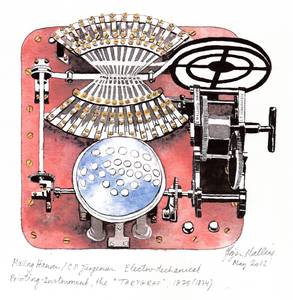
- Takygrafen malt med vannfarger, av Jørgen Malling Christensen
%EF%B9%94%22%3E%20%EF%BD%9C%20%3C%EA%A4%B7a%3E&md5=19f8a2a134e51f8f5a0b510bd2591367.html)
Research, transkribering og kommentarer ved Christian Barnholdt.
Research og kommentarer ved Jørgen Malling Christensen.
Illustrasjoner og kommentarer ved Sverre Avnskog.
Jørgen Malling Chsristiansen: Rasmus Malling-Hansen og C. P. Jürgensens første ansøgning om dansk eneret for 10 år angående takygrafen var dateret 15 januar 1872, men ministeriet krævede kompletterende oplysninger. Derfor indgav de to partnere en kompletterende ansøgning den 25 marts 1872.
Vi har tidligere publiceret den første ansøgning – se under fanebladet ’Takygrafen’ – og vi har på samme sted en transskribering af tilleggsteksten frra marts 1872, men nu kan vi for første gang vise Malling-Hansens egenhændigt maskinskrevne tekst vedrørende denne komplettering. Man lægger mærke til, at mens januar-ansøgningen blev skrevet med en maskine som kun skrev store bogstaver, er det modsatte tilfældet med marts-ansøgningen (forsidebladets titel ’TAKYGRAFEN’ er skrevet med en anden maskine).
Se også i vor brevsamling Malling-Hansens brev til broder Thomas Jørgen, dateret 27 marts 1872; dette brev er skrevet med samme maskine – enten takygrafen eller den åbne cylindermodel – som den kompletterende marts-ansøgning; det ser man på detaljer i bogstavernes aftryk, for eksempel ganske tydeligt på bogstavet ’l’.
Brevet af den 27 marts 1872 kommenterer netop den ansøgning, som blev færdig to dage før. Se også Malling-Hansens brev af den 19 april 1872, som også det er relevant som baggrundsmateriale.
Man noterer, at Malling-Hansen gjorde sig stor umage med den typografiske udformning – se, hvorledes han møjsommeligt og omhyggeligt har udformet forsiden og den sidste side!
Dokumentet stammer fra Christian Barnholdts efterladte papirer.
SA: Både brevet til broren og patentansøkningen vedrørende takygrafen, er sannsynligvis skrevet på den store, flate skrivekuglen. Takygrafen skrev jo på papirstrimler så den kan vi utelukke, og sylindermodellen hadde ingen CR-tast, og brevene skrevet på sylindermodellen kjennetegnes ved at linjene går helt ut til kanten på høyre side helt uten marg, og det forekommer en del pussige orddelinger. På noen brev sørget Malling-Hansen for at det likevel ble en marg, fordi han laget en brett på papiret før han begynte å skrive. På sylindermodellen, skrev maskinen i realiteten en eneste lang linje, og ved å innsette papiret litt skjevt, vil det frtone seg som det er en ny linje, men i realiteten fortsetter linjen på en ny runde rundt sylinderen.
Her er et brev der man tydelig kan se hvordan brevene som er skrevet på sylindermaskinen så ut. Og her er et eksempel på at Malling-Hansen har laget en brett før skrivingen for å få en liten marg også på høyre side.
Men på patentansøkningen (og brevet fra 1872) har maskinen tydeligvis fått linjeskift-tast, og orddelingene er korrekte.
Tekst nummer 2 vedr. patentansøgning på Takygrafen.
Forfattet af Rasmus Malling Hansen.
Skrevet på en skrivekugle med små bogstaver.
Dokumentet er fundet af Christian Barnholdt på det danske Rigsarkiv omkring 1990. Indskrevet i 2005.
Læg mærke til at RMH kalder sig Malling Hansen - uden bindestreg.
De nævnte tegninger er desværre ikke fundet.
marts 1872: takygrafen
takygrafens grundprincip, der er opfundet af medundertegnede r. malling hansen, skal i det følgende blive udførligere udviklet end i vort andragende af 25. januar d.å.
det jeg - r. malling hansen - tilsigtede under de undersøgelser, der førte mig til grundprinsipet i takygrafen, gik ud på at konstruere et hurtigskrivningsapparat, der tillod en skrivehurtighed endnu større end min skrivekugles, og tillige kunne arbejde lydløst. længden af skrivekuglens stempelbevægelse stod imod begge disse fordringer. disse stempelbevægelser kunde ifølge kuglens grundprinsip: stemplernes møde i kuglens midtpunkt, ikke godt blive kortere end en halv tome.
de to nævnte fordringer nødvendiggjorde en meget kortere stempelbevægelse, og altså et andet grundprinsip end skrivekuglens.
jeg fandt da først på at anbringe kuglestykkets stempler således, at de ikke førte til en og samme skriveflade, men hver til sin; og således, at samtlige på et stykke roligtliggende papir aftrykte bogstaver kom til at stå ved siden af hverandre i en lige linie. ved en stempelordning som denne tilfredsstilledes de to opstillede fordringer, idet jo længden af sådanne stemplers bevægelse under bogstavaftrykningen ikke behøvede at være større end i det højeste end tolvtedel af en tomme. jeg havde altså nu et helt nyt grundprinsip, nemlig dette: stemplerne have hver sin trykflade, og alle disse flader ligger indenfor parallelle linier, istedetfor det tidligere prinsip: alle stemplerne have een og samme trykflade.
dette nye prinsip måtte også være anvendeligt, nemlig såsnart papiret, hvorpå de på den nye måde anbragte stempler skulde virke, bevæger sig jævnt fremad under skrivningen. anvendeligheden bliver indlysende ved at se på vedlagte tegnings figur a, der viser et papirbånd, der på sin bevægelse fremad er bleven beskrevet af disse stempler. det skrevne læses let som "danmark dejligst vang" o.s.v. forneden på papirbåndet er der vist, i hvilken orden stemplernes aftryk stå i en lige linie tvers over papirbåndet, når dette under nedtrykningen af stemplerne ligger stille. det ses, at de hyppigst forekomne bogstaver er anbragt i midten, hvorved opnåes, at det skrevne holder sig så meget som muligt sammen, og derved læses lettere end om bogstaverne stod spredt.
ved overvejelse af det her indvundne blev det mig klart, at såfremt papirbåndet blev forsynet med streger på langs - se fig b - så vilde jeg kunne få en læselig skrift, selvom stemplerne forneden ikke havde noget bogstav, men kun en lille spids, der kunde sætte en prik på eller imellem stregerne på papirbåndet. dersom disse forneden tilspidsede stempler vare ordnede på den samme måde som i fig. a, og foroven på stempelknapperne bar de sædvanlige bogstaver, så vilde ordene "danmark deiligst " o.s.v stå på papirbåndet således som der er vist på fig. b. der vil ikke behøves megen øvelse for at kunne læse sådanne punkter ret hurtigt. læsningen kunde også lettes ved at lade stregerne være af forskellig tykkelse og farve, samt ved at lade nogle af stempelspidserne afsætte en lille linie, andre et punkt o.s.v.
skønt nu disse to apparater, hvis skrift er vist under figur a og b, vistnok ville kunne blive anvendelige istedetfor den nu brugelige stenografi, så kunde dog intet af dem ret tiltale mig.
jeg så at det gjaldt om at beholde den på disse apparater indvundne korte stempelbevægelse, og så desuagtet at få skriften på det fremadskridende papirbånd forandret fra at stå - skønt læseligt så dog så spredt på papirbåndet - til at stå som almindelig skrift. denne nye opgave løste jeg endelig på den måde, som jeg nu skal fremstille på sine forskellige stadier, og som danner grundprinsipet i takygrafen.
tænker man sig papirbåndet - fig. a - delt på langs ved ligesåmange streger som kuglestykket har stempler, så ses det let, at alle aftrykkene af et vist bogstav på det i lige og jævn linie fremadskridende papirbånd stadig må holde sig imellem de samme to længdestreger. tænker man sig dernæst papirbåndet delt på tvers ved streger i en så stor afstand fra hverandre som båndet antages at måtte bevæge sig imellem to på hinanden følgende nedtrykninger af to stempler, så vil man se, at mellem to tverstreger vil der under skrivningen aldrig komme til at stå flere end eet bogstav. kunde jeg nu flytte disse bogstaver, der står på papirbåndet indenfor de tænkte længde- og tverstreger således, at de alle kom til at stå mellem det samme par længdestreger, så ville opgaven være løst, det skrevne vilde så stå som almindelig skrift.
jeg måtte da til denne omflytning have nogle omflyttere; disse omflyttere måtte være faste, stillestående under papirets fremrykning; der måtte være ligesåmange som kuglestykket havde stempler; hver omflytter måtte have sit bestemte bogstav at flytte, den ene altid flytte bogstaverne a, den anden bogstaverne b, o.s.v. hver omflytter skulde altså råde over pladsen imellem visse to af de omtalte tænkte længdestreger; samtlige omflyttere måtte anbringes på et fast underlag over eller under papirbåndet i den mindst mulige afstand, og stå i en lige linie tvers på båndet. under båndets fremadskriden vilde således hvert bogstav, der stod på båndet, træffe på sin omflytter; denne måtte så tage bogstavet, og flytte det eller skubbe det således, at det blev mellem sine to tverstreger, men kom mellem to andre længdestreger; nemlig mellem de samme to længdestreger, hvorimellem de andre bogstavflyttere også skulde afsætte deres bogstaver.
det her fremsatte skulle blive tydeligere ved at se på fig. g, der viser et beskrevet papirbånd. Lambda b (tegnet lambda er det vist) er det sted, hvor kuglestykket med sine stempler er anbragt; prikkerne lige over båndet skulle forestille de omtalte omflyttere. stregerne på langs og tvers af båndet er de ligeledes omtalte tænkte længde og tverstriber; bogstaverne imellem kanten tilvenstre af båndet og den første længdestribe er de af omflytterne hertil fra båndfladen henflyttede bogstaver.
jeg så snart, at denne omflytning - således som den foran er fremstillet - var theoretisk rigtig, men praktisk sært vanskelig at få tilvejebragt. jeg tænkte mig det så indrettet således at omflytterne ikke selv besørgede omflytningsarbejdet, men indskrænkede deres virksomhed til kun at avertere om, når flytningen skulde finde sted; denne måtte kunne ske til andre bogstavstempler - forskellige fra kuglestykkets stempler, der så i det øjeblik de fik det fornødne vink fra omflytterne afsatte deres bogstaver imellem de samme to længdestreger. altså når bogstavet d på papirbåndet fig. c rørte ved sin omflytter, så underrettede denne bogstavstemplet d (de nye tilkomne stempler, ikke kuglestykkets) herom, og dette aftrykte så sit bogstav d på kanten af papirbåndet og mellem de to tverstreger, der omsluttede båndets bogstav d. når båndets næste bogstav a nåede til sin omflytter, skete meldingen herom til bogstavstemplet a, og dette afsatte så sit a ved kanten af papiret, og mellem de samme to tverstreger som omsluttede båndets bogstav a.
nu stod der altså ved kanten af papiret de to bogstaver d a ved siden af hinanden, o.s.v. at jeg ved anvendelsen af elektromagnetismen vilde kunne få disse meldinger og derpå følgende aftrykninger udførte, var det let nok at se, og forsåvidt var alt rigtigt, dersom der ikke atter havde vist sig et upraktisk punkt: alle de nye tilkomne stempler (ikke kuglestykkets st.) måtte jo nemlig for at kunne præstere det lige foran forlangte alle have retning mod et og samme punkt, og måtte altså have en temmelig lang bevægelse, altså ikke kunne nå den forlangte størst mulige hurtighed, den som det jo netop var opgaven at vinde.
det som nu skulde skaffes bort og ombyttes med noget hensigtsmæssigere var altså de nye stemplers retning mod det samme punkt. lidt overvejelse heraf førte mig så til det tilfredsstillende og endelige resultat, den fulde løsning af den stillede opgave, takygrafens grundprinsip. de nye (ikke kuglestykkets) stempler måtte nemlig kunne anbringes således, at de ligesom kuglens stempler fik hver sin trykflade - såsnart de såkaldte omflyttere (istedetfor som hidtil at være anbragte i retning tversover båndet, i lige linie lodret på begge båndkanterne) blev anbragt i skrå retning over båndet, efter diagonalen i kvadraterne, der fremkomme ved skæringen af båndets længde og tverstreger.
rigtigheden af det her fremsatte bliver indlysende ved at betragte fig. d. den nederste række bogstaver angiver den plads, hvorover kuglestykket må tænkes anbragt. disse bogstaver tænkes anbragt medens papiret ligger roligt. den lodret på denne række bogstaver stående anden bogstavrække, tilvenstre og foroven på figuren, betegner den plads, hvorpå den anden foran så ofte omtalte samling stempler virker. da denne stempelsamling tænkes - se ansøgningen af 25. januar - sat i bevægelse ved hjælp af elektromagneter, vil jeg kalde dem elektromagnetstempler til forskel fra kuglestykkets stempler. de sorte prikker tvers over længde og tverstregerne er de ofte nævnte omflyttere. bogstav a i den nederste bogstavrække står mellem to længdestreger; det samme bogstav i den øverste række står mellem to tverstreger. der hvor disse længde og tverstreger skærer hverandre er den omflytter anbragt, der vedkommer bogstavet a. på samme måde er de andre omflyttere anbragt.
jeg tager nu et stykke silkepapir, der er lidt bredere end fig. d, og lægger det hen over den nederste bogstavrække på fig. d. dette stykke silkepapir forestiller så silkebåndet. der hvor bogstavet b - nederste række - skinner gennem silkepapiret sætter jeg på silkepapiret et mærke, punkt eller kryds. dette betyder, at jeg har nedtrykket det af kuglestykkets stempler, der foroven på sin knap bærer bogstavet b, og at dette stempel så har afsat et mærke på papirbåndet. jeg skubber dernæst silkepapiret lidt opad, således at det mærke, jeg har skrevet på det, kommer mellem de to tverstreger ovenfor de tverstreger, indenfor hvilke jeg før satte mærket. dette forestiller papirbåndets jævne fremadskriden under skrivningen. der hvor nu bogstavet o i den bogstavrække, som står nederst på fig. d, skinner igennem silkepapiret, sætter jeg så det næste blyantsmærke på silkepapiret, hvilket altså skal betyde, at kuglestykkets o stempel er blevet trykket ned og har afsat sit mærke. dernæst skubber jeg silkepapiret atter en tværstreg op. der står nu to mærker på silkepapiret: det øverste forestiller et aftryk af kuglestykkets b stempel, det nederste forestiller et aftryk af kuglestykkets o stempel.
på selvsamme måde afsætter jeg derefter på silkepapiret mærker der, hvor bogstaverne g s t a v o m f l y t n i n g skinner igennem; men husker vel på for hver gang jeg har sat et mærke at skubbe silkepapiret en tverstreg op, ligesom jeg også passer på, at de med silkepapiret fremadskridende mærker stadig holdes indenfor de samme to længdestreger. de på silkepapiret satte mærker repræsenter altså nu ordet "bogstavomflytning".
jeg vedbliver dernæst at skubbe silkepapiret fremad på den angivne måde, indtil et eller flere af mærkerne på silkepapiret træffer på den sorte prik - omflytteren - der ligger mellem de to længdestreger indenfor hvilke mærket skubbes fremad. jeg skubber altså silkepapiret fremad, og tre af mærkerne, dem som er afsatte af kuglestykkets s, t og v stempler, træffer alle tre på een gang hver på sin omflytter. jeg lader så silkepapiret ligge stille, og skriver til venstre på silkepapiret, der hvor bogstaverne s, t og v - øverste bogstavrække fig. d - skinner igennem, disse tre bogstaver.
på silkepapiret står altså nu tre bogstaver, de to af dem - s og t - står ved siden af hinanden, og bogstav i to bogstavsafstande fra t. det her foretagne skal betyde, at de tre nævnte mærker på den rigtige maskines papirbånd - under båndets bevægelse fremad - på een gang har berørt hver sin omflytter, og at denne berøring i samme nu er af omflytterne blevet averteret elektromagnet-stemplerne, hver omflytter til sit stempel, og at dernæst disse tre elektromagnet-stempler har i samme nu aftrykt hver sit bogstav, de nævnte tre bogstaver, på den plads på papirbåndet, der repræsenteres ved den plads på silkebåndet, hvor jeg med blyanten skrev de nævnte tre bogstaver.
jeg skubber atter silkepapiret frem på fig. d. det mærke, der først kommer til at stå over en prik - en omflytter - er det mærke, der er afsat af kuglestykkets o stempel. jeg lader så silkepapiret ligge stille, og der hvor nu til venstre bogstavet o skinner igennem skriver jeg med blyanten et o. betydningen af det her skete må være klar af det lige foran udviklede.
silkepapiret skubbes atter fremad, og mærket afsat af kuglestykkets y stempel træffer på sin omflytter. på samme måde som foran skriver jeg til venstre på silkepapiret bogstavet y. atter
skubbes fremad; mærket af kuglestykkets o stempel træffer sin omflytter; jeg skriver o til venstre på silkepapiret, hvor o skinner igennem. ser jeg nu på silkepapiret, da står der til venstre seks bogstaver i den her viste orden og afstand: o.st.vo...y.
efter de tre næste skub kommer der til at stå på silkepapiret et t, et g og et m. med de foran nævnte bogstaver stå der nu i denne orden og afstand: ogst.vom.lyt. efter de næste skub kommer der til at stå et b foran det første o på silkepapiret; efter næste skub kommer et l foran y, så et n, så igen et n, så på een gang et a og et f, derefter et i, og endelig til sidst et g. ser jeg nu på silke-papiret, da står der på det det ord, der skulde stå der, nemlig ordet "bogstavomflytning".
herved håber jeg nu at have udviklet tilstrækkeligt klart takygrafens grundprinsip. inden jeg henvendte mig til medundertegnede jürgensen angående foranstående, havde jeg tænkt mig, at de mærker, som kuglestykkets stempler skulle afsætte på papirbåndet måtte være huller i papiret, et hul for hver stempelnedtrykning, og at dernæst omflytterne skulde være metalspidser, der stod i ledende forbindelse hver med sit elektromagnetstempel (et udgraveret stempel , der sidder på forlængelsen af en elektromagnets anker), og at en strøm skulle sluttes hver gang en metalspids under papirbåndets bevægelse fremad kom til at stikke igennem hullet og berøre et stykke metal på den anden side af båndet. dette stykke metal måtte stå i ledende forbindelse med den ene pol, hver af spidserne med sin tilsvarende elektromagnet i forbindelse med den anden pol af et elektrisk batteri.
på dette standpunkt af sagen har medundertegnede jürgensen udarbejdet den med vort andragende af 25 januar d.å. følgende tegning, og den i beskrivelsen af samme dato fremsatte modifikation af foranstående, fremkommer derved, at papirbåndet tænkes gjort ledende for elektrisiteten.
foruden på de her og tidligere fremstillede forskellige skikkelser af apparatet beder vi om eneret på følgende modifikationer af takygrafen:
eneret til en hvilkensomhelst ordning af bogstavernes rækkefølge i begge samlinger af stempler, ligesom også til istedet for bogstaver - eller sammen med disse - at anvende tal og alle slags tegn, eller figurer, i fladt fordybet eller ophøjet tryk.
til at anbringe de foran omtalte kuglestykkets stempler på andre måder end i et kuglestykke, således at de til eks. lægges fladt ud som almindelige tangenter.
til foruden at anbringe skriften på et papir b å n d, så også at anvende i stedet derfor papir, der ligger om en cylinder, eller på et fladt underlag.
til i stedet for et farvegivende sværtebånd at anvende sværtepapir, eller påføre selve elektromagnetstemplerne tryksværte.
til i stedet for at lade papiret bevæge sig jævnt fremad under skrivningen, så også at lade det bevæge sig i ryk, et ryk for hvert stempelslag i kuglestykkets stempler.
til at lade det papir, der modtager mærkerne af kuglestykkets stempler, være skilt fra det papir, der modtager aftryk af elektromagnetstemplerne.
til at ordne kuglestykkets stempler også på en sådan måde som nu omflytterne er anbragte på vedlagte fig. d, hvorved - når omflytterne flyttes hen i samme række hvor nu bogstaverne står til venstre på fig. d - vil kunne fås anvendelse for at lade det bånd, som bærer mærkerne, bevæge sig til venstre henimod bogstavrækken - se fig.d - og lade et andet papirbånd, der skal modtage aftryk af elektromagnetstemplerne, bevæger sig i samme retning som før det hele papirbånd; den ene bevægelse altså lodret på den anden.
til i stedet for at anvende et papirbånd til at modtage mærker af kuglestykkets stempler - hvilke mærker jo kun skulle tjene til at tilvejebringe til en vis tid og på et vist sted en kontakt - så at
lade disse to kontakter fremkomme ved legemer, der altså skulle træde i stedet for papirbåndet og dets mærker, og kunne bevæge sig fremad i en lige linie, eller rundt i en sirkellinie, men kun komme i bevægelse efter at være blevne påvirket af kuglestykkets stempler.
til at dele takygrafen i to af hinanden uafhængige apparater, det ene bruges da til at anbringe de omtalte mærker i papirbåndet, det andet apparat til at aftrykke bogstaverne, når det mærkede bånd bliver trukket igennem det.
kiøbenhavn den 25 marts 1872.
R. Malling Hansen C P Jürgensen

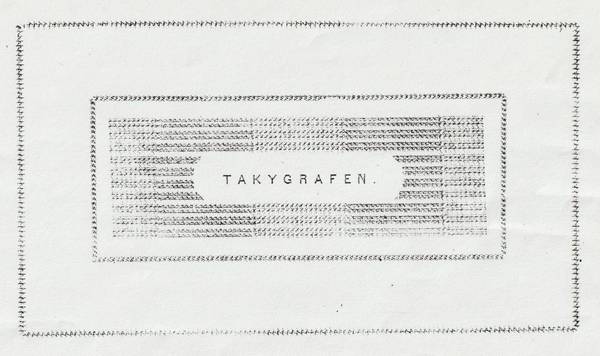
- Den originale teksten.
%EF%B9%94%22%3E%20%EF%BD%9C%20%3C%EA%A4%B7a%3E&md5=5b151c914b2a0b79cba5f488a2c298a4.html)
%EF%B9%94%22%3E%20%EF%BD%9C%20%3C%EA%A4%B7a%3E&md5=ca60c77ce2267dd15a07522a6d0697fe.html)
%EF%B9%94%22%3E%20%EF%BD%9C%20%3C%EA%A4%B7a%3E&md5=e1dfb5dce7ad1b4eecca371d23c9fd1b.html)
%EF%B9%94%22%3E%20%EF%BD%9C%20%3C%EA%A4%B7a%3E&md5=88132541826d53e19002a1042a600fc9.html)
%EF%B9%94%22%3E%20%EF%BD%9C%20%3C%EA%A4%B7a%3E&md5=ed4ef73d59a3f220c8c50fff48d31f92.html)
%EF%B9%94%22%3E%20%EF%BD%9C%20%3C%EA%A4%B7a%3E&md5=057db5a483dbfc5e84e4ca8f25d36aa1.html)
%EF%B9%94%22%3E%20%EF%BD%9C%20%3C%EA%A4%B7a%3E&md5=69becb2feb4359f1cd0ca84ec87af38b.html)
i%CC%88%C2%B9_%22%3E%20i%CC%88%C2%BD_%20%3Ce%CC%82%C2%A4%C2%B7a%3E&md5=b8aca6_3d4df84b7db933a3.html)
%EF%B9%94%22%3E%20%EF%BD%9C%20%3C%EA%A4%B7a%3E&md5=2b501ea82d844130322b624f41ba8fcf.html)
i%CC%88%C2%B9_%22%3E%20i%CC%88%C2%BD_%20%3Ce%CC%82%C2%A4%C2%B7a%3E&md5=52ad9_09b268f4fabc722c.html)
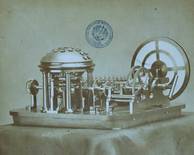
- Takygrafen ble patentert i Tyskland i 1873
%EF%B9%94%22%3E%20%EF%BD%9C%20%3C%EA%A4%B7a%3E&md5=9640c871ad5e81d23ce5954ae80941a4.html)
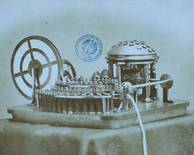
- Stempelet på disse bildene viser at de er mottatt av de tyske patentmyndighetene
%EF%B9%94%22%3E%20%EF%BD%9C%20%3C%EA%A4%B7a%3E&md5=61e3d1e7f52a124bde7e5d28b27643ac.html)
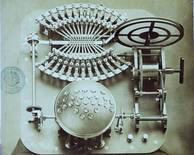
- De samme tre bildene finnes også i arkivet til Vandrer mod Lyset Fond og Forlag i Danmark
i%CC%88%C2%B9_%22%3E%20i%CC%88%C2%BD_%20%3Ce%CC%82%C2%A4%C2%B7a%3E&md5=dfcce61af1767f71c247c4484150a278.html)
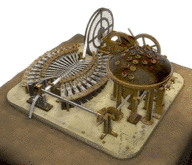
- Felix Herbst's computer images of the Takygraf.
%EF%B9%94%22%3E%20%EF%BD%9C%20%3C%EA%A4%B7a%3E&md5=5701e1a2213efb321caaab401c087240.html)
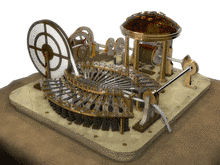
- They are in approximately the same positions as in the three known fhotos.
%EF%B9%94%22%3E%20%EF%BD%9C%20%3C%EA%A4%B7a%3E&md5=d287a1199fb5fb027fecbad486526edd.html)
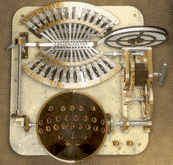
- All photos: Felix Herbst
%EF%B9%94%22%3E%20%EF%BD%9C%20%3C%EA%A4%B7a%3E&md5=d7344ee8a7a34f4a48d6cf00e86b7eab.html)
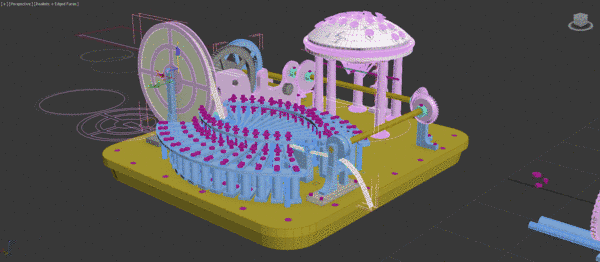
- One more of Felix Herbst's fantastic computer made pictures of the takygraf. Photo: Felix Herbst
%EF%B9%94%22%3E%20%EF%BD%9C%20%3C%EA%A4%B7a%3E&md5=0a352378107469a88d002cf3ce106f2d.html)